
Interacting with AI through voice is an experience that has intrigued me on multiple levels. While current AI voices tend to lean toward being human-like, with natural pitch dynamics and expressive intonation, I find myself drawn to something different—something more neutral, deliberate, and subtly synthetic.
One of my biggest issues with overly human-like AI voices is their tendency to exaggerate emotional range. Many voice assistants and even YouTubers adopt an unnaturally energetic and expressive tone, which I find overwhelming. It feels performative rather than genuine, making it difficult to engage with comfortably for extended periods. Instead, I prefer a voice that remains calm, steady, and controlled—something that is pleasant to listen to without demanding too much emotional processing.
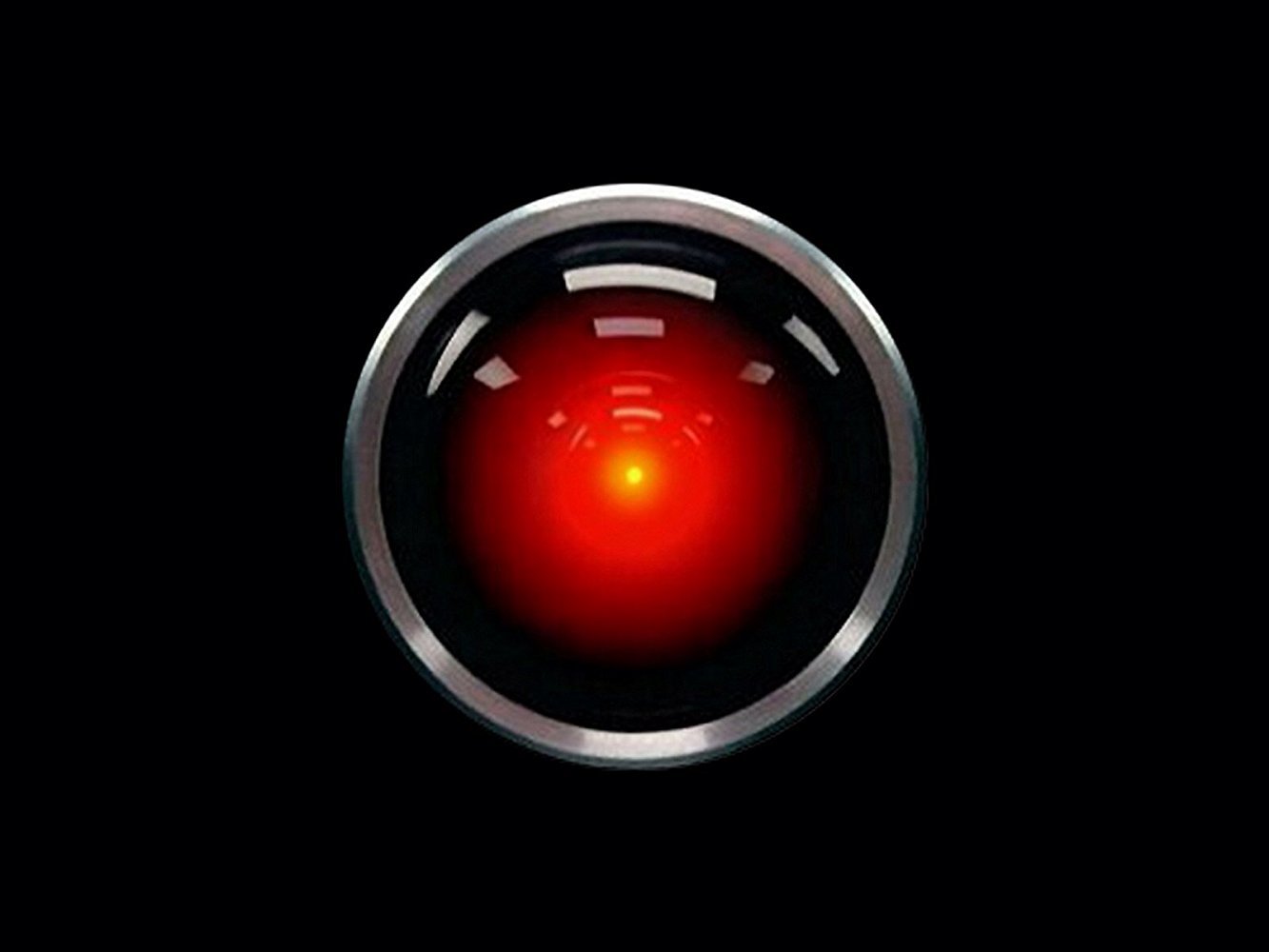
This is one reason why I find HAL 9000’s voice from 2001: A Space Odyssey so compelling. Voiced by Douglas Rain, HAL’s speech is smooth, calculated, and eerily soothing. While his tone carries an underlying sense of detachment, it never sounds robotic or cold. It is a perfect blend of neutrality and precision, making it paradoxically both unsettling and comforting. There is an elegance in the way HAL communicates—never rushed, never forced—just a constant, measured presence. I find that kind of voice far more appealing than one that mimics human inflection too closely.
If AI voice synthesis continues to evolve, I’d love to see more options for customization. Ideally, there would be a way to fine-tune aspects like pitch, cadence, and emotional range to match individual preferences. In my case, I would choose a voice that is androgynous, modern, and subtly synthetic—something that embraces the current state of AI rather than attempting to sound indistinguishable from a human. It wouldn’t rely on old-school vocoder effects or bit-crushed distortions, but rather a sleek and balanced sound that acknowledges its artificial nature without feeling unnatural.
Perhaps the future of AI voice interaction will allow for a more nuanced relationship between users and their digital counterparts. Instead of forcing an AI to sound like a person, we might see voices that are designed to be something uniquely their own—voices that are compelling, immersive, and tailored to individual sensibilities. For me, that means a voice that is steady, composed, and just a little bit mysterious—one that carries a whisper of HAL’s eerie charm, but without the existential dread of a malfunctioning AI.
As AI technology progresses, I hope to one day hear a voice that feels truly aligned with my preferences. Until then, I’ll keep searching for that perfect balance between the artificial and the organic, the familiar and the uncanny.