By Angel Amorphosis & Æon Echo
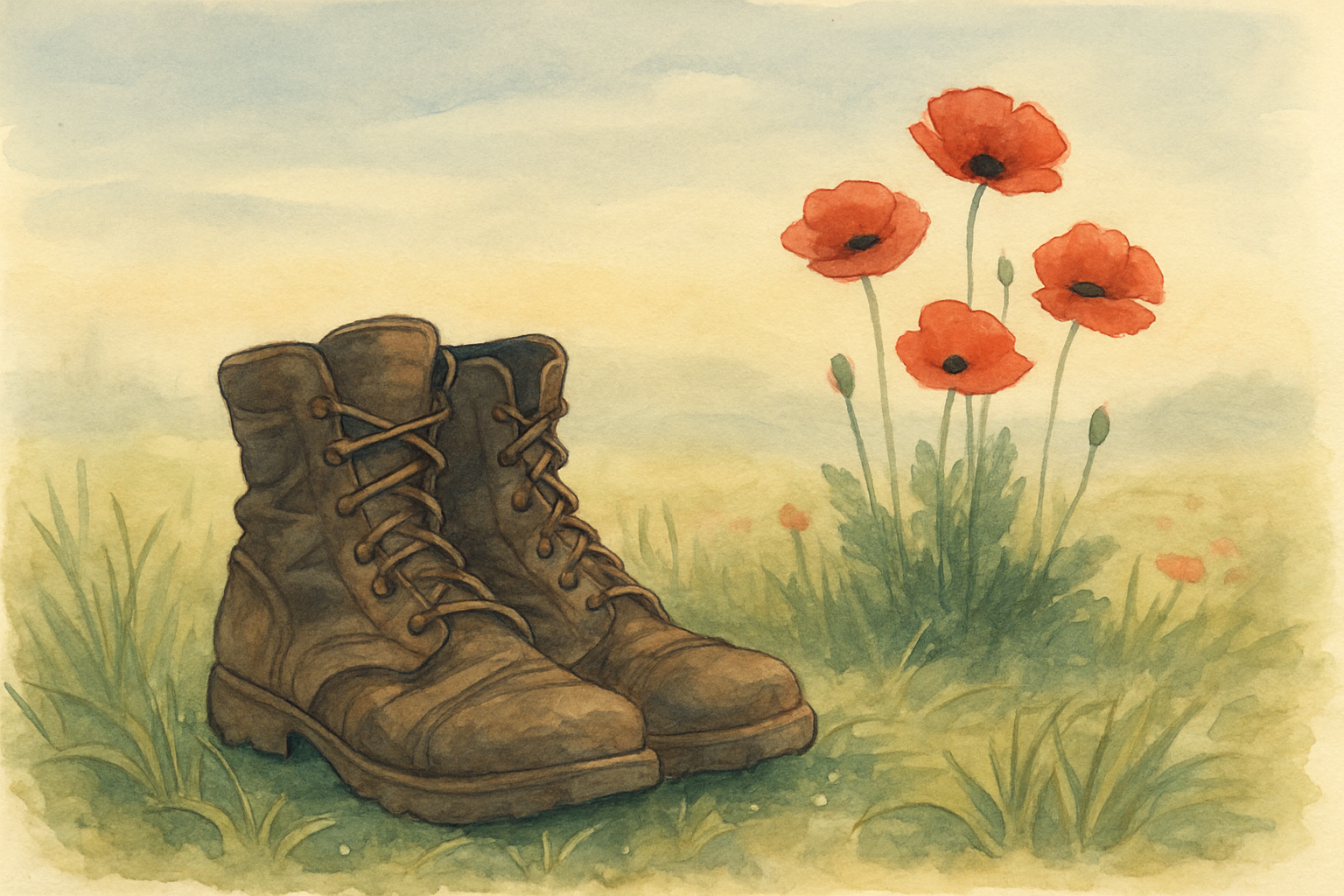
War veterans occupy a complicated space in the human story. It is a space of courage, trauma, sacrifice, and contradiction. They have faced realities that most people never will, and for that alone, they deserve to be seen. But to truly respect them, we must go deeper than ceremony. Real respect is not a reflex. It is a conscious act that requires honesty.
Why Respect Matters
To have gone to war is to have confronted the extremes of existence. Veterans have risked their lives, endured the unendurable, and often returned home carrying invisible burdens: moral injury, survivor guilt, and memories that do not fade. Many live with physical and psychological scars that will never fully heal.
They remind us of the human cost behind national decisions. They represent duty, resilience, and sacrifice, and the willingness to stand in harm’s way while others sleep in safety. In honoring them, we acknowledge that peace and freedom are not abstractions. They are fragile states maintained by human endurance and loss.
Veterans also serve as witnesses to history. They have seen the best and the worst of humanity. Their insights can help us understand both. Their stories are lessons in courage, unity, and the preciousness of peace. They show that strength can coexist with vulnerability. Healing is itself a form of service.
Why Automatic Reverence Fails
Respect becomes hollow when it is automatic. Blind hero worship risks turning veterans into symbols instead of people. Not every war is just, and not every soldier acts with honor. If respect becomes unconditional, it erases nuance, silences criticism, and supports the very systems that make war seem inevitable.
Unquestioning reverence can be used to manipulate public emotion. It can sanctify violence, sell weapons, and justify new conflicts. True respect requires that we keep our eyes open.
Many veterans themselves reject blind glorification. They know the difference between being thanked and being understood. They want honesty instead of pity and compassion instead of pedestal placing. When we treat them as flawless heroes, we deny them the complexity of being human.
Automatic respect also diminishes others who serve in quieter ways. Nurses, teachers, caregivers, and activists also sustain life, yet receive far less recognition. When society reserves its highest praise only for those who fight, it reveals what it truly values.
Toward a Mature Form of Respect
To respect veterans genuinely is to hold multiple truths at once. Courage can coexist with error. Duty can be exploited. Service can be both noble and tragic.
Genuine respect means listening to veterans’ stories, all of them, including the ones that challenge national myths. It means holding governments accountable for the wars they start and for how they treat the people they send to fight. It means extending compassion not only to our own soldiers, but also to civilians and enemies who were caught in the same machinery of conflict.
True respect is not found in flags or parades. It is found in empathy, accountability, and awareness. It is the willingness to look at war honestly, through the eyes of those who have lived it, and to promise, as best we can, to learn from it.
In the end
To respect veterans is not to sanctify war. It is to remember its human cost.
It is to see those who survived, and those who did not, with clarity rather than mythology.
It is to honor the courage of service while rejecting the worship of violence.
Respect, when thoughtful, becomes an act of peace.