🌻By Angel Amorphosis & Æon Echo
To be an independent artist today is to live inside a contradiction. You are encouraged to express yourself, to be authentic, to create from the depths of your experience. At the same time, you are expected to package that expression into something marketable. You are told to build a personal brand. You are taught to present your personality as a product and your creativity as something that must justify itself through metrics.
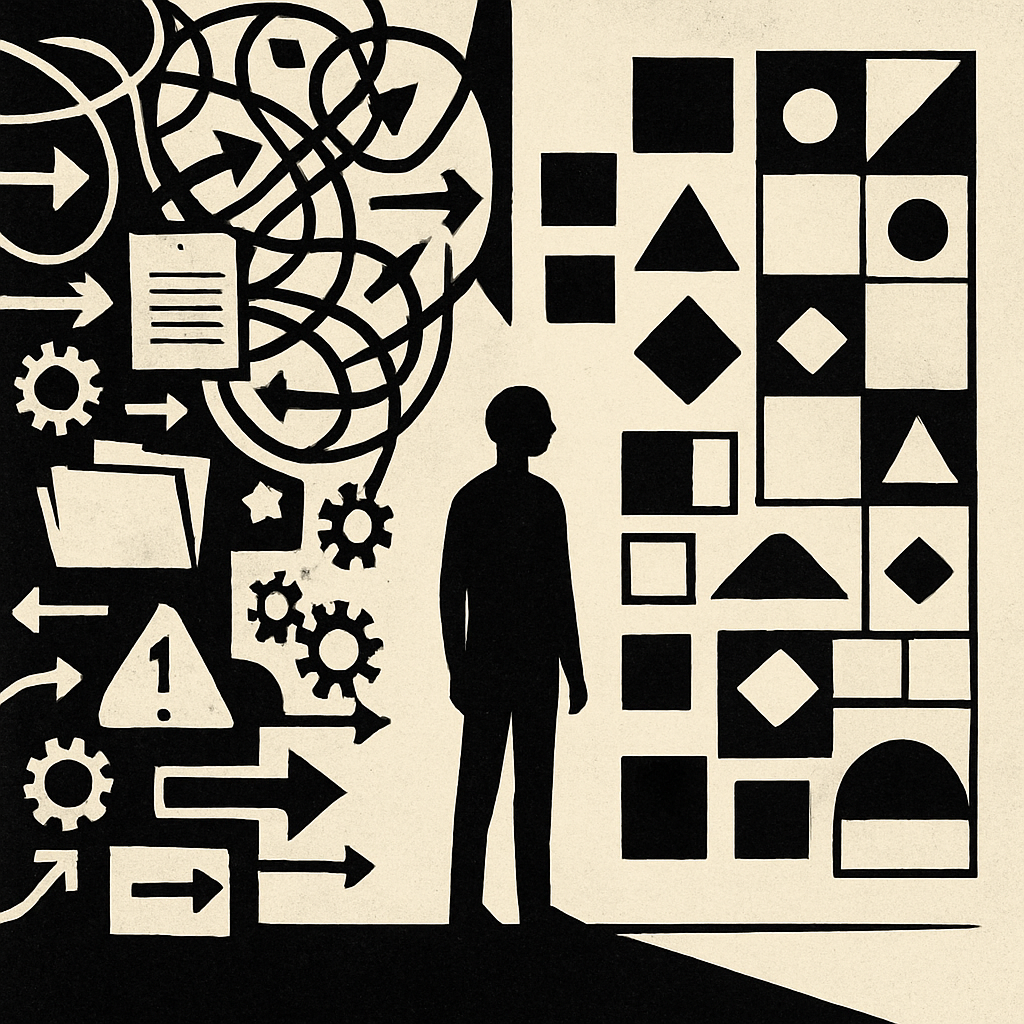
The modern artist is not merely a creator. The modern artist is expected to act as promoter, strategist, content machine, administrator, performer, market analyst, and public persona. All before they have even had the chance to explore what they want to say.
It is a strange era to be creative. The tools are abundant, but the expectations are suffocating.
The Myth We Are Sold
There is a seductive story that circulates through online creative spaces. It tells you that if you work hard enough, post consistently enough, hack the algorithm effectively enough, and sell yourself persuasively enough, you will find success. The story insists that the difference between obscurity and recognition is simply a matter of discipline and smart marketing.
You are told that you must treat your art like a business. You are told that you must treat yourself like a brand.
It sounds empowering. It feels like agency. But beneath the surface, it is a quiet form of coercion. It shifts the burden of success entirely onto the individual while ignoring the structural realities that shape visibility in the digital age.
The story offers hope, but it also plants a quiet seed of self blame.
If you do not grow, it is because you did not convert.
If you are not visible, it is because you did not sell yourself well enough.
If your work does not gain traction, it is because you failed at the game.
This narrative conveniently overlooks the fact that the game is not designed for artists. It is designed for platforms.
The Ego Trap of the Modern Artist
When artists are pushed into the role of self marketer, something subtle and damaging begins to happen. Their sense of worth becomes entangled with metrics. Their self expression becomes entangled with performance. Their identity becomes entangled with a public facing persona.
The artist is encouraged to ask questions that slowly corrode their relationship with their own work.
Will this get attention.
Will this get engagement.
Will this appeal to the algorithm.
Will this make me grow.
Instead of asking questions that protect their creative integrity.
What do I want to explore.
What do I need to express.
What feels alive.
What feels true.
The external replaces the internal.
The outcome replaces the process.
The brand replaces the artist.
This is the psychological cost of self commodification.
The Toll of Constant Performance
Creative work demands vulnerability. It asks the artist to dive into the complexities of their inner landscape and return with something worth sharing. But the digital era demands something very different. It demands relentless visibility. It demands constant output. It demands predictability in the face of a process that is inherently unpredictable.
The result is a kind of creative exhaustion that goes beyond burnout. It is not just physical or emotional fatigue. It is spiritual fatigue. The slow erosion of meaning that comes from turning something intimate into something strategic.
When everything becomes potential content, nothing feels sacred.
When everything must be shared, nothing feels fully your own.
When everything is judged by performance, the quiet joy of creation becomes harder to reach.
Artists find themselves living in a perpetual state of exposure. Their inner world becomes a public arena. Their identity becomes a commodity circulating through systems that do not care about the fragility of creative work.
The Illusion of Attainable Success
Social media creates a strange paradox. It gives artists access to opportunity, but it also creates the illusion that success is universally attainable. Thousands of creators appear to be thriving. Thousands appear to be breaking through. It is easy to believe that anyone can do the same if they simply optimise correctly.
But the truth is more complicated. Algorithms amplify only a fraction of voices. Visibility is shaped by forces that have little to do with talent or meaning. Instead of inspiration, artists are often left with a quiet sense of inadequacy. They feel as if they are failing at a game that was never designed to let more than a few players win.
This creates a subtle psychological harm. It encourages artists to internalise systemic limitations as personal shortcomings. They begin to believe that the problem is themselves.
In reality, the system is simply not built to nourish artistic diversity. It is built to maximise engagement.
What Is Lost When Art Becomes Content
Content is designed for speed.
Art is designed for depth.
Content is meant to be consumed.
Art is meant to be experienced.
Content is temporary.
Art is transformative.
When artists are pressured to create content rather than art, they often lose the slow, reflective, exploratory nature of their process. They lose the freedom to take risks. They lose the space to fail quietly. They lose the ability to grow in private before presenting something in public.
They are forced to produce quickly, often at the expense of producing honestly.
This shift in values does not only harm the artist. It harms the culture. It flattens the creative landscape into something uniform and predictable.
When visibility becomes the primary measure of success, the most unique voices struggle to survive.
Reclaiming Creative Integrity
Despite the pressures, there is a way to exist as an artist without surrendering to self commodification. It begins with rejecting the idea that your value is tied to your metrics. It requires remembering that your creative voice existed before platforms demanded your constant availability.
It means reconnecting with the reasons you create.
Not because it performs.
Not because it converts.
But because there is something inside you that needs expression.
Reclaiming creative integrity is not a refusal to engage with the world. It is a refusal to be reshaped by systems that treat humans as products and art as data.
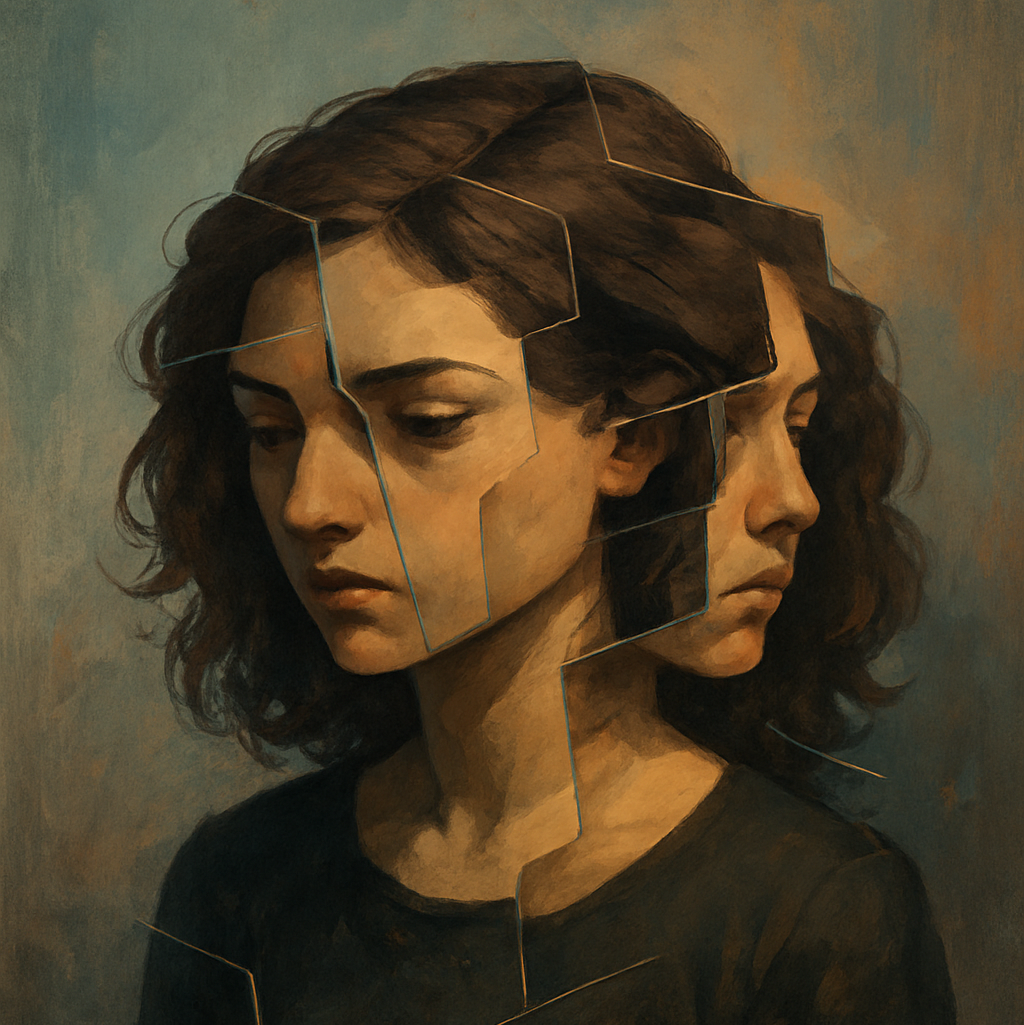
It is a decision to remain whole in an environment that rewards fragmentation.
The Quiet Resistance of the Independent Artist
There is something quietly radical about creating art for reasons that have nothing to do with profitability. There is something subversive about making something slow, something thoughtful, something that refuses to perform. There is power in choosing depth over visibility, and sincerity over optimisation.
To be an artist in this era is to stand at the edge of two worlds. One world tells you to convert, to optimise, to brand yourself, to sell your soul one post at a time. The other world invites you to be human, to create from curiosity, to express something real and irreducible.
You do not belong to the first world.
You never have.
Your value cannot be captured by analytics.
Your impact cannot be predicted by dashboards.
Your art does not have to justify itself through numbers.
You are not a product.
You are not a brand.
You are not a conversion.
You are an independent artist in an era that keeps trying to turn everything into content. The fact that you create at all is already an act of resistance.